
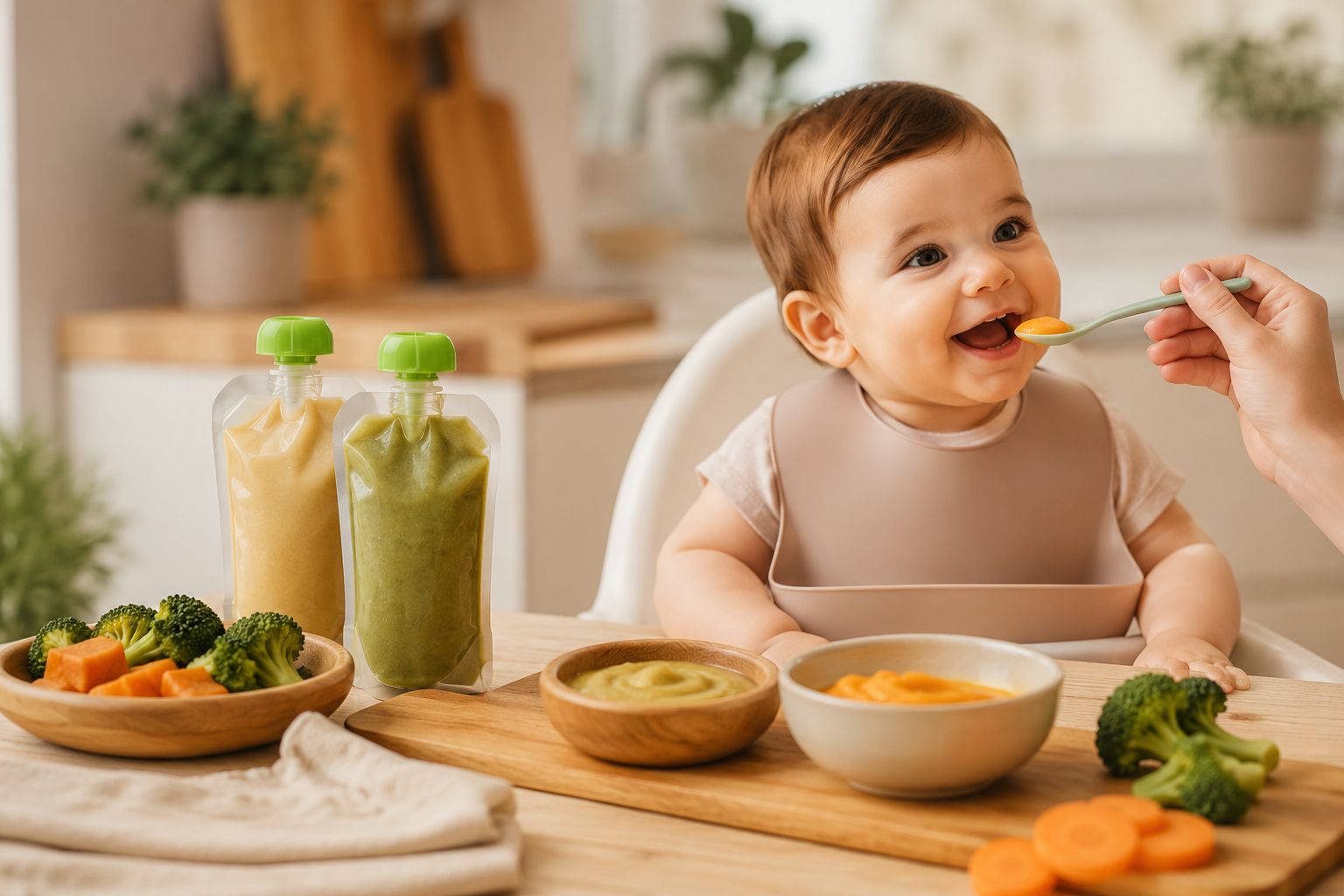
Homemade meals and ready-to-eat purees do not have to compete. While home-cooked food brings variety, sensory experiences, and the comfort of familiar routines, baby food pouches can be a practical
Every parent wants to feed their baby the best food. Homemade meals carry a kind of warmth that is hard to describe — the care that goes into cooking fresh ingredients, the satisfaction of watching your little one enjoy something you prepared yourself is unmatched. That connection between nourishment and love is real and it matters.
Homemade food carries something a pouch never quite will. The smell of something cooking, the texture you adjusted after last week’s messy rejection, the quiet satisfaction of knowing exactly what went in. That matters and it is something worth protecting.
At the same time, reaching for a baby food pouch on a chaotic Thursday is not a parenting failure. It is a reasonable call. The goal here is to figure out how to keep both working together without one slowly taking over.
Baby food pouches have become a staple in many households for simple reasons. They require no preparation, no refrigeration before opening and no cleanup. When your baby is hungry and you are in the middle of work a ready to eat baby puree offers an immediate and nutritious alternative.
The better baby puree packs available today are made with real fruit and vegetable combinations, have no added sugar, and use no preservatives to retain the original nutrition. This is not the era of mystery jars with unreadable labels. Parents now have real options.
That being said, a pouch working well on a busy day is different from a pouch becoming the default every day. Keeping that distinction clear is where the balance starts.
It is not just about ingredients. Yes, home cooking lets you control what goes in and introduce things one at a time. But beyond that, it gives your baby something subtler: inconsistency in the best sense.
A puree you make at home will not taste exactly the same every time. The carrots will be slightly sweeter one week, the texture a little thinner another. That unpredictability is actually good. It trains your baby’s palate to expect variety and adapt, which sets a better foundation for eating as they grow up.
There is also the sensory side. Watching you cook, smelling food being prepared, being handed a spoon during a calm moment at home. These are early food memories being formed. They count for more than we usually give them credit for.
Most parents who manage this well are not following a rigid system. They are just being a bit intentional about when each option makes sense.
Keep pouches as your fallback, not your first move. Cook on the days you can and on the days you cannot, that is what the baby food pouches in your pantry are for. Having them ready actually makes it easier to stay consistent with home cooking because you are not cooking out of desperation every time.
Do not make a pouch the whole meal every time. A natural baby food pouch alongside some soft finger food, a small bowl of dal, or even plain yogurt turns it into a more complete and texturally interesting meal. Your baby gets variety, and the pouch does not end up carrying all the nutritional load.
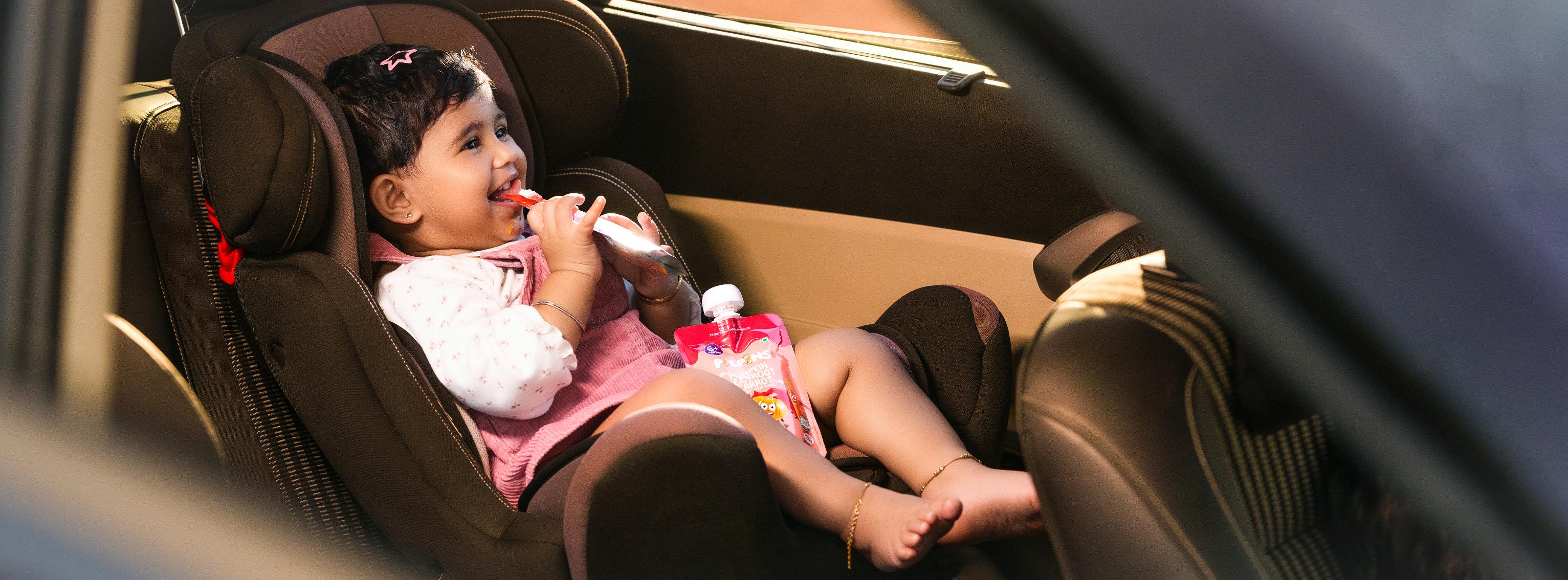
Travel is where pouches genuinely earn their place. BPA-free baby food pouches that are shelf-stable and easy to carry mean your baby never has to skip a meal because the day did not go as planned.. Pack a few, use them, and come back to your regular routine when you are home without any guilt.
Try flavours in a pouch before cooking them. If you are not sure whether your baby will take to, say, a spinach and apple combination, let a fruit and vegetable baby puree do the testing first. If it goes well then try making it yourself. This can definitely save you the effort of cooking something that ends up on the floor.
Not all pouches are the same. The first thing to look for is whether it is genuinely preservative-free baby food. Some products rely on additives to extend shelf life and that is worth avoiding when there are better options available.
A proper clean label baby food will have an ingredient list short enough to read in five seconds. If you are squinting at numbers and unfamiliar names, put it back.
Skip anything with added sweeteners. No added sugar baby food is the standard to look for. Your baby’s taste preferences are being shaped right now, and early exposure to unnecessary sweetness makes everything less sweet food harder to accept later.
On packaging, BPA-free baby food pouches are worth insisting on, particularly because many pouches go through heat-based processing. You want to be sure nothing from the packaging is making its way into the food.
For younger babies just starting out, a smooth baby puree for 6 months with a simple flavour profile is the right starting point. As they grow, natural baby food for 6+ months with more complex combinations can help build on what they already know.
This is the part worth being honest about. If pouches are always accessible, it takes deliberate effort to keep home cooking in the picture.But this does not have to be difficult or dramatic.
Batch cooking once or twice a week is more than enough. Steam a few vegetables, blend them with a little water and store in small portions. That can cover three or four days of meals with maybe forty minutes of actual work. The pouches cover the rest, and the habit stays intact.
As your baby gets older and moves toward more textured food, the role of baby food pouches naturally shifts anyway. They become a travel item and an occasional thing rather than a regular meal. The transition happens on its own if you have kept home cooking in the rotation.
The parents who tell you they cook everything from scratch every single day are either very organised or not sleeping much. Most of us are somewhere in the middle and making it work with what we have is completely fine.
Worth addressing directly because it is real. There is a version of parenting advice out there that makes you feel like opening a pouch is a small admission of defeat. It is not.
A good baby food pouch on a hard day is not competing with the meals you cook. It is filling a gap so your baby is fed and you are not running on empty. That is practical parenting, not a shortcut.
What matters is what you are choosing when you do use one. Ready to eat baby purees made with real ingredients, no fillers, no added sugar, and honest labelling are a sensible option. The product doing the job matters more than the fact that you opened one.
Some weeks will be mostly home-cooked. Some will lean heavily on baby food pouches online because life got complicated. Both are alright and completely acceptable.
What you are looking for in a pouch is simple: organic baby food purees or natural baby food pouches with real ingredients, no added sugar, no preservatives, and safe packaging. Pair that with however much home cooking fits your actual week, and you are doing it right.
The homemade meals are not being replaced. They are just getting a little backup when they need it.