

Hidden Truth About Added Sugars in Baby Food

Pulpins brings you wholesome, mom-approved baby food made with love and care. No preservatives, no added sugar — just pure nutrition for your little one.

CONTACT US

Cusomer Support : +91 9591502289
The Hidden Truth About Added Sugars in Baby Food
Pulpins 14 March 2026 Baby food pouches Published 1 Views

The Hidden Truth About Added Sugars in Baby Food

Starting your little one on their first solid foods is an exciting milestone. It’s a journey filled with discovery, joy, and... a lot of questions. You spend hours researching, reading labels, and striving to make the healthiest choices for your baby.

But in the world of baby food, not everything is as simple as it seems. There's a sneaky ingredient lurking in many seemingly "healthy" options: added sugar. This guide is designed to help you understand the difference between sugars, spot the hidden ones, and feel confident in nourishing your baby.

Why Added Sugar Is Harmful for Babies

A baby's first 1,000 days are a critical window for growth and development. The foods they eat now don't just fill their tummies; they build the very foundation of their future health and eating habits. Here’s why added sugars can be so disruptive:

  • Weakened nutrition – Added sugars are just “empty calories” with no essential vitamins or minerals.
  • Tooth decay – Even before teeth fully come in, sugary foods can damage developing gums and teeth.
  • Obesity and diabetes risk – Early sugar exposure is linked to unhealthy weight gain and long-term health issues.
  • Picky eating habits – Babies are born with a slight preference for sweet tastes (like breast milk). Babies who get used to sweetened foods may reject natural fruits and vegetables later.

👉 The World Health Organization (WHO) recommends that babies and toddlers under 2 years should not consume any added sugars.

The Great Disguise: ‘Natural’ Sugars to Watch For

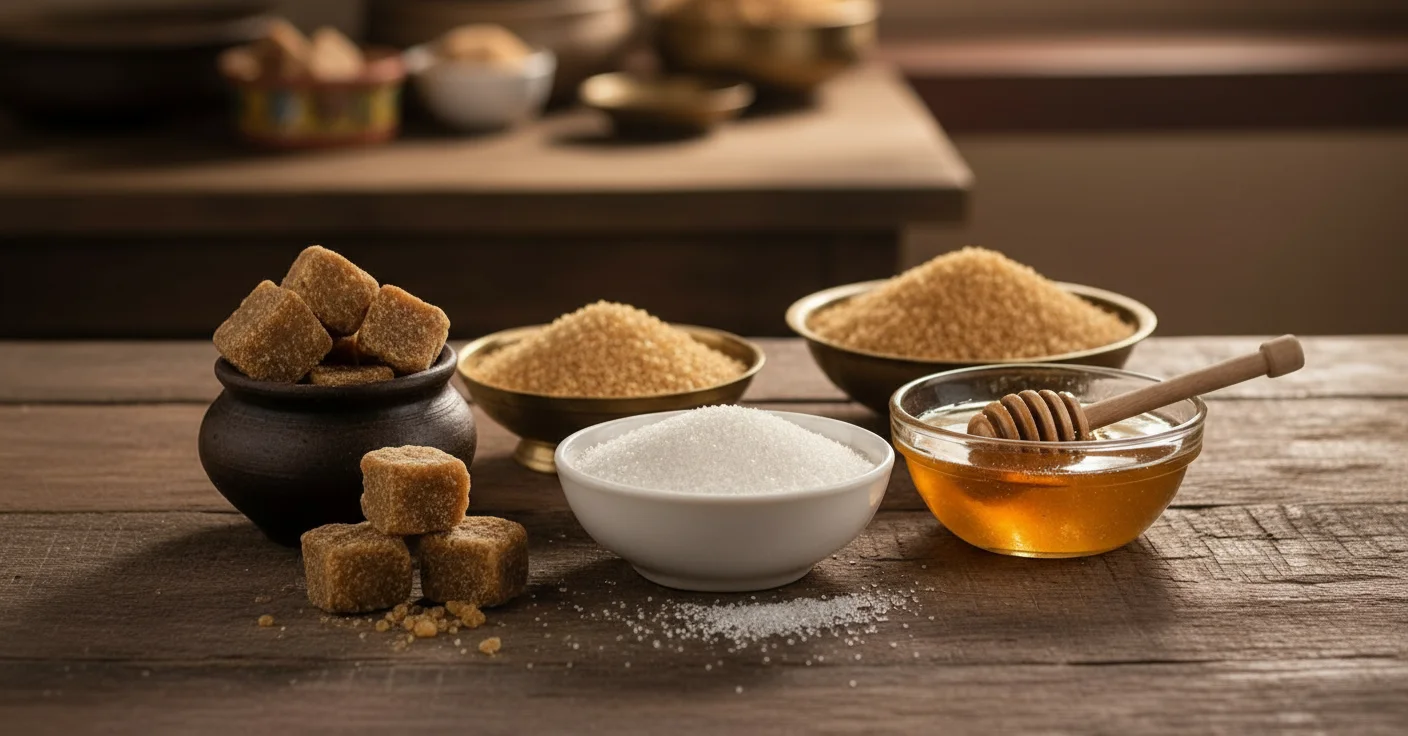
When we hear the word “sugar,” we often think of white, refined sugar. But added sugars come in many forms — and food companies sometimes use “healthier” sounding names to make them seem better than they are. In reality, whether it’s jaggery or honey, all added sugars behave the same way in the body. Be a sugar detective and watch out for these on the ingredients list:

Common Types of Added Sugars in Baby Foods

  • Refined Sugar: The white crystals we know — pure sucrose, no nutrients, just calories.


  • Raw/Brown Sugar: Slightly less processed, may contain trace amount of minerals but nutritionally almost identical to refined sugar.


  • Jaggery: Popular in Indian homes as a “natural” sweetener. Contains trace minerals, but still very high in sugar. Sometimes jaggery is processed very unhygienic, may contain impurities


  • Honey: While these may contain trace minerals, but unsafe for babies under 12 months due to the risk of infant botulism and still pure sugar.


  • Maple Syrup & Molasses: Marketed as natural, but also concentrated forms of sugar.


  • Fruit Concentrates & Syrups: This sounds innocent, but the process of concentrating juice strips away the beneficial fibre, leaving behind a very high concentration of fruit sugar (fructose).


  • Organic Cane Sugar/ Coconut Sugar: The word "organic" doesn't make it healthier. At a molecular level, it's still sugar (C12​H22​O11​), and the body processes it the same way.


Added Sugars vs. Natural Sugars

There’s a big difference between naturally occurring sugars in whole fruits and vegetables and added sugars.

Even if some fruits have a moderate or high GI, they also provide:

  • Fiber → Slows down sugar absorption, providing steady energy and preventing blood sugar spikes.
  • Vitamins & minerals → Help the body to grow, develop, and function properly by supporting everything from your immune system and energy production to cellular repair.
  • Phytonutrients & antioxidants → Protect the body's cells from damage and inflammation, significantly lowering the risk of chronic diseases

That’s why natural sugars from whole fruits and veggies are healthy for babies, unlike refined or added sugars that are just empty calories.

How to Become a Sugar Detective

Navigating the supermarket aisle doesn't have to be overwhelming. Here are three simple steps to help you make the best choice for your baby:

  1. Read the Ingredients First: Before you even look at the nutrition panel, read the ingredients. Look for the so-called "natural" sugars like honey, jaggery, maple syrup, coconut sugar, and date syrup are still processed as added sugars
  2. The ingredients list should be short and feature words you recognise. If you see any form of syrup (like corn syrup), juice concentrate, or words ending in "-ose" (like fructose, dextrose), it contains added sugar.
  3. Look for "Added Sugars": On the nutrition facts panel, find the line for "Total Sugars" and, right below it, "Includes Xg Added Sugars." This line should ideally read 0g.
  4. Trust in Whole Foods: The best source of sweetness for your baby is a whole piece of fruit or a naturally sweet vegetable.

Ultimately, a baby's first foods are about exploration and nourishment. By focusing on the pure, authentic flavours of vegetables, fruits and grains you are building a foundation for a lifetime of healthy eating. Remember, it’s not about perfection; it’s about making informed choices one spoonful at a time.

The Pulpins Promise

We know that modern parenting is busy. Reading every single label can be exhausting. That’s why we created Pulpins with a simple, transparent promise: to trust in nature.

Our baby food purees are made from delicious, fruits and vegetables, and nothing else. No added sugars, no sneaky concentrates, and no artificial sweeteners—ever. We do the meticulous work so you can focus on the pure joy of feeding your little one.



  • Published At: 14 March 2026 at 12:20 am
  • Last Updated: 24 March 2026 at 02:46 pm
Ask Pulipins AI 🦒
Hi 👋 I’m Pulipins AI. Ask me anything!