

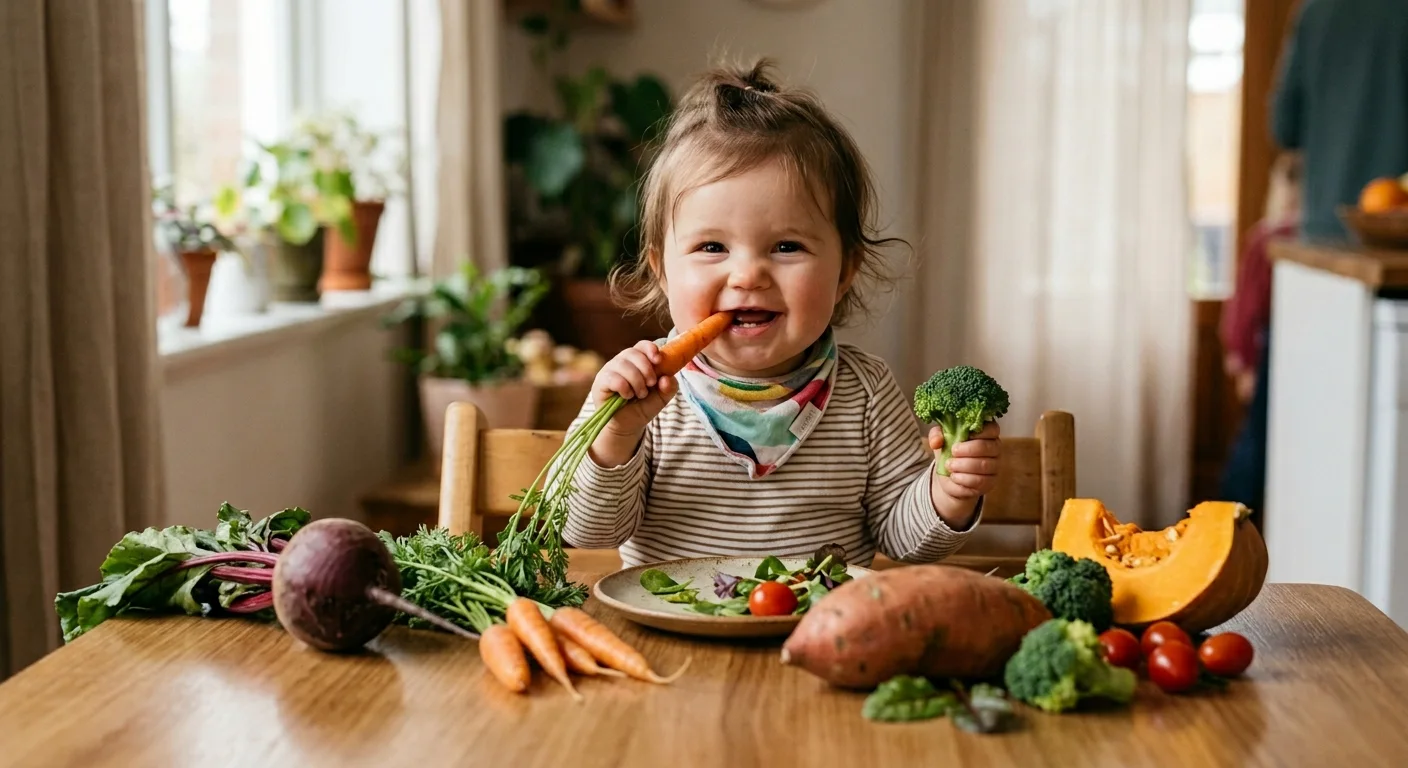
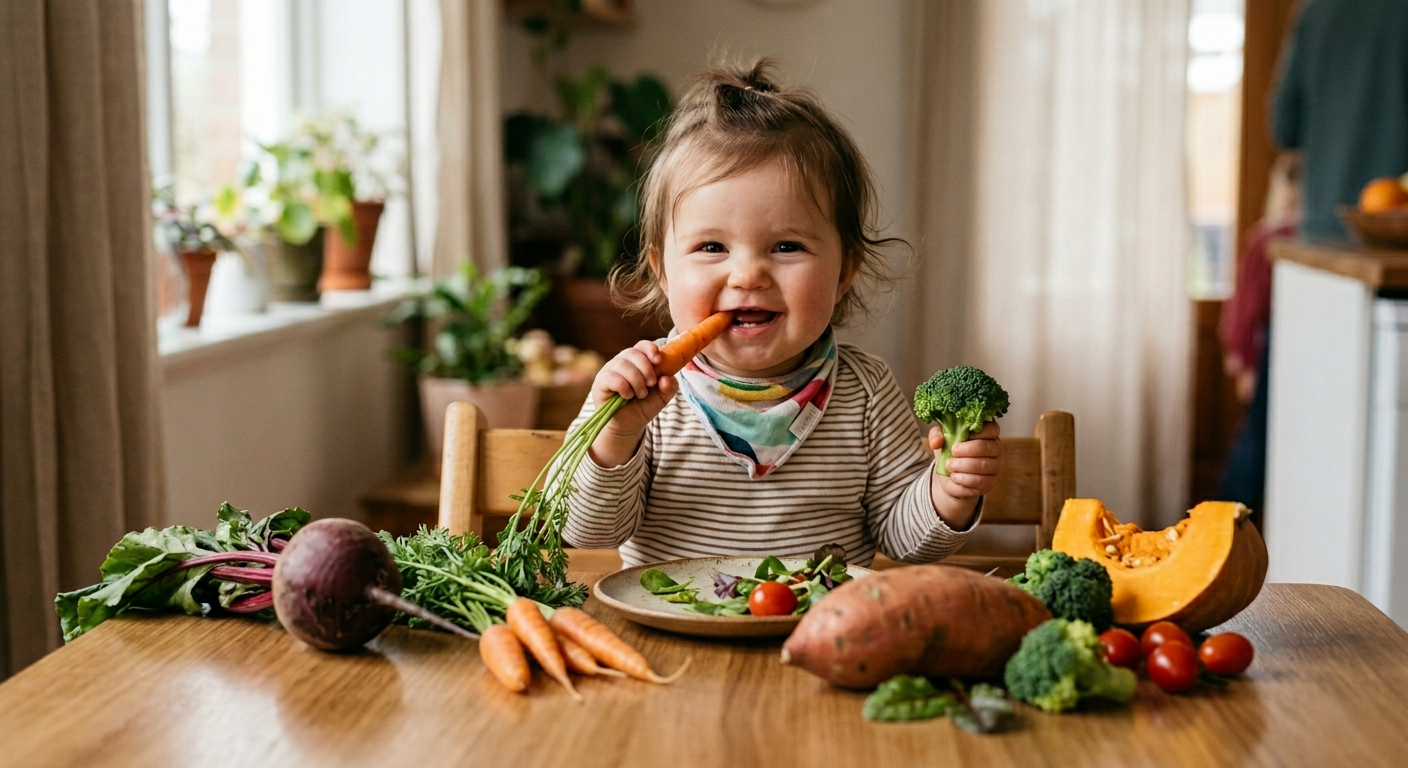
When it comes to starting solids, fruits often get all the attention. Their natural sweetness makes them an easy favourite for babies. But vegetables are just as important — in fact, they’re the real superheroes of baby nutrition. Packed with vitamins, minerals, and fibre, vegetables play a vital role in supporting your baby’s growth, immunity, and overall development.
Why Vegetables Are Essential in the Early Years
Vegetables aren’t just “side dishes” — they are one of the most important food groups to introduce when babies start solids at around 6 months. Here’s why:
1.
Nutrient Density
Vegetables are packed with essential vitamins and
minerals such as Vitamin A, Vitamin C, potassium, folate, and magnesium. These
nutrients support growth, brain development, strong bones, and immunity.
2.
Fibre for Digestion
Babies often experience constipation as they transition
to solids. Vegetables provide dietary fiber, which promotes healthy digestion
and helps regulate bowel movements.
3.
Building Immunity
Many vegetables are rich in antioxidants (like
beta-carotene), which strengthen the immune system and help the body fight
infections.
4.
Developing Taste Preferences
Early introduction of a wide variety of vegetables helps
babies accept different flavours and textures. This reduces the risk of picky
eating later in childhood and encourages long-term healthy eating habits.
5.
Balanced Energy
Unlike refined foods, vegetables release energy slowly
because of their fiber content. This helps maintain steady energy levels
without sudden spikes and crashes.
6.
Reduced Risk of Chronic Diseases Later in
Life
Studies suggest that eating a wide range of vegetables
from an early age can lower the risk of obesity, type 2 diabetes, and heart
disease in adulthood by establishing healthier food preferences early on.
👉 A “vegetables first” approach to weaning is now suggested by many health experts.
Common Concerns Parents Have
Some parents hesitate to introduce vegetables because they worry babies won’t like the flavours, especially compared to sweet fruits. But starting with mild, naturally sweet vegetables like pumpkin, carrots, and beetroot can make the journey easier. Over time, your baby learns to appreciate a variety of tastes, creating a strong foundation for healthy eating habits.
Tips for parents:
Best First Vegetables for Babies
When starting at 6 months, choose vegetables that are gentle on tiny tummies and full of nutrition:
These vegetables blend beautifully into smooth purees, making them both nutritious and enjoyable for babies.
Vegetables + Fruits: The Perfect Pair
Vegetables don’t always have to stand alone. Combining them with fruits like mango or banana balances flavors and boosts nutrition. For example:
Pairing veggies with fruits not only enhances taste but also ensures your baby gets a wider range of nutrients.
A Gentle Note from Us
At Pulpins, we believe in celebrating the power of vegetables by making them a natural part of your baby’s diet. That’s why our baby food purees bring together wholesome veggies and fruits in fun, travel-friendly pouches — with no added sugar, no salt, no preservatives, and no nasties. Just pure goodness, ready to nourish your little one wherever life takes you.
✨ Because vegetables aren’t just good for babies — they’re essential building blocks for a lifetime of healthy eating.